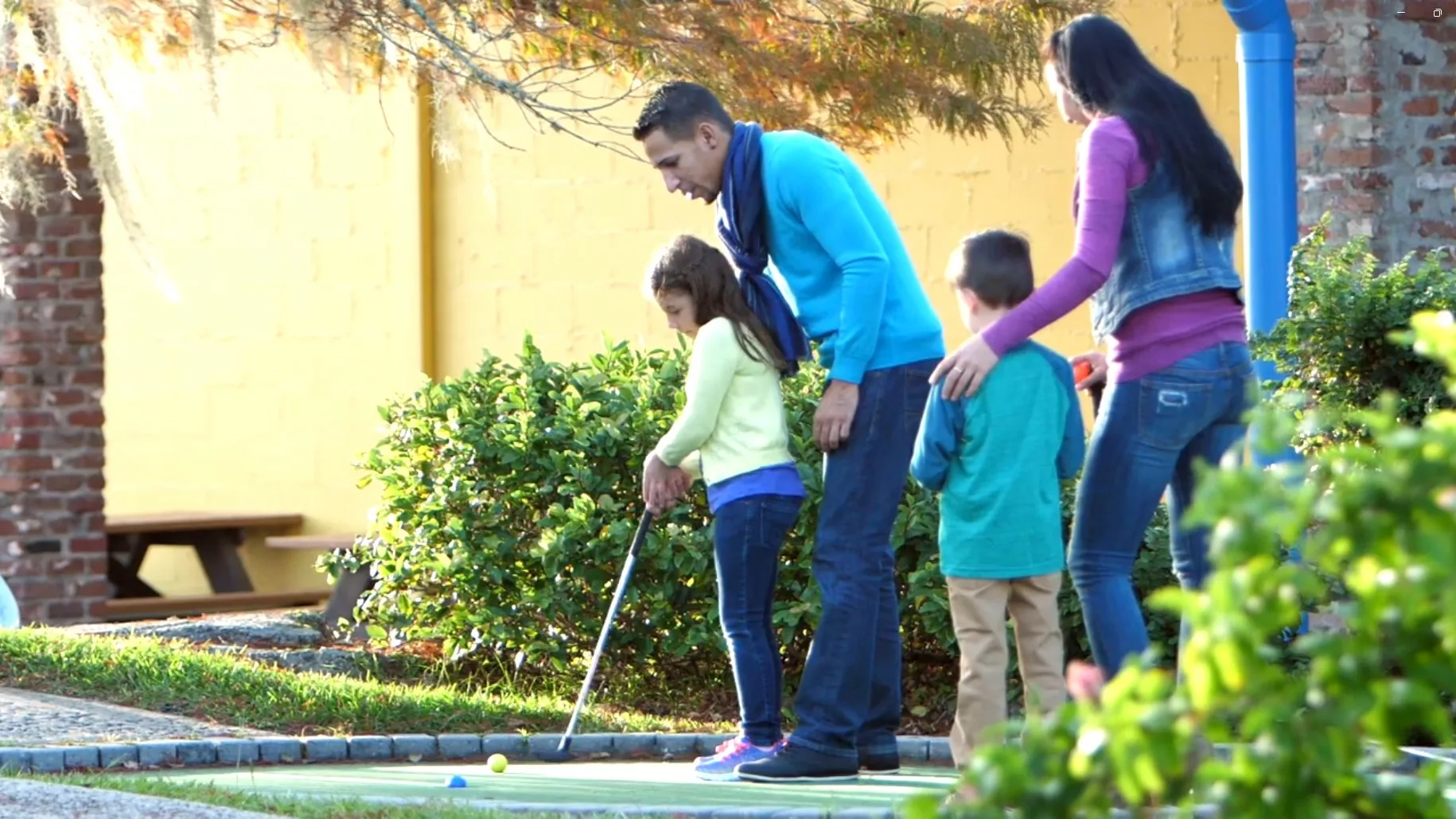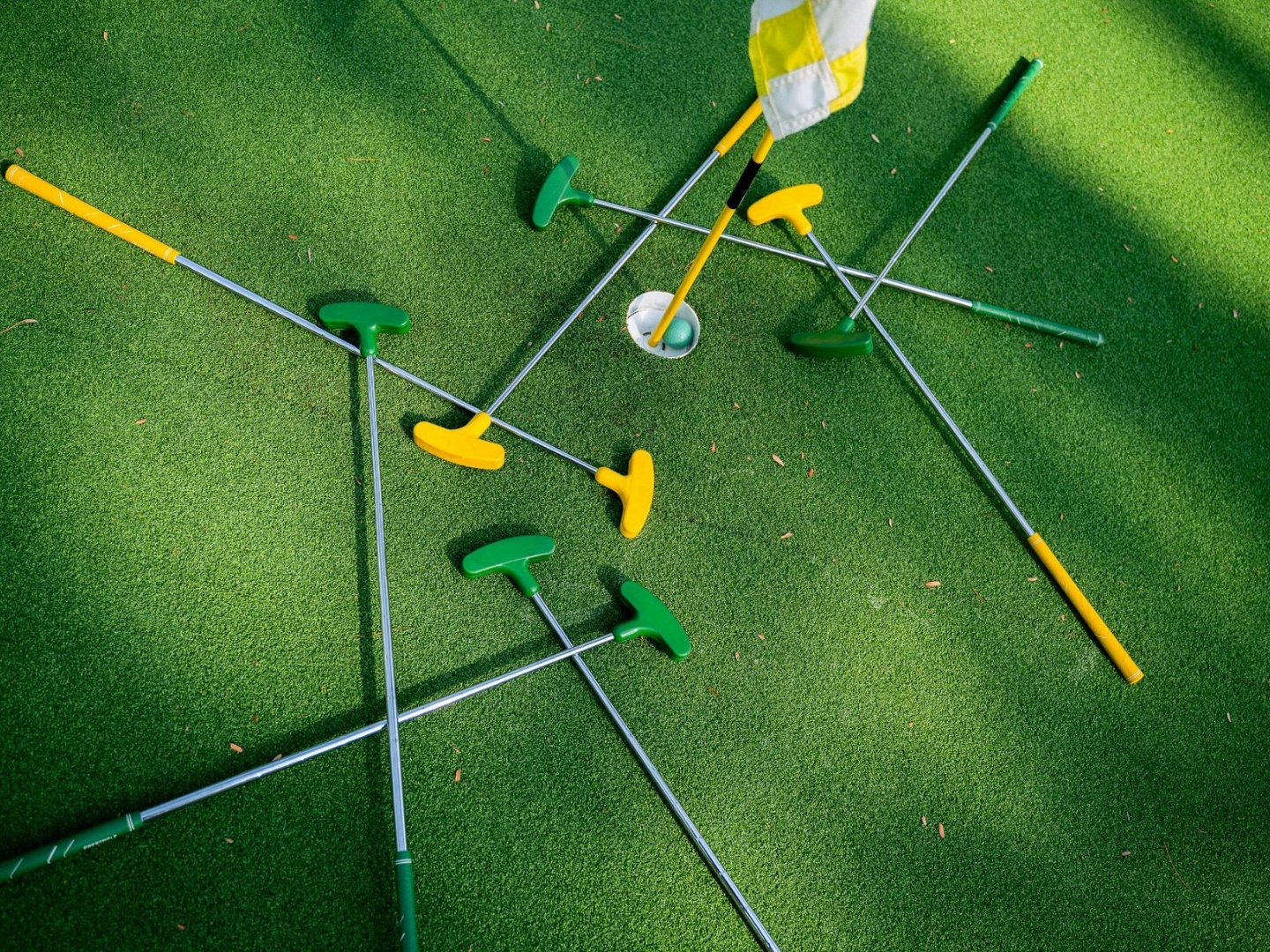
Bank shots mess people up because most players focus on the wall instead of the full rebound path. They pick a spot, send the ball at it, and hope the bounce does the rest.
That sounds simple until pace, entry angle, and the shape of the hole start working against you. That is why so many people get tripped up on a mini golf course, even when the shot looked obvious at first.
The good news is that bank shots are not random. They just punish rushed reads faster than straight putts do. One bad bounce can turn a makeable shot into an extra stroke, slow the round down, and take some of the fun out of it. A better read usually comes from one small shift: instead of asking where to hit the wall, ask where the ball needs to go after it leaves the wall.
Why do bank shots go wrong so often in mini golf?
Most bank shots go wrong because the wall becomes the whole plan. It is not. The wall is only the middle of the shot. If the rebound line is bad, the ball can hit the rail exactly where you wanted and still miss the hole by plenty.
We see this all the time. Players lock onto the contact point, forget about speed, and end up surprised when the ball kicks out too wide or comes off hotter than expected. The shot feels unfair, but usually it was just under-read.
How do bank shots actually work?
A bank shot works when the side rail helps create a cleaner route to the hole than the direct line gives you. You are using the wall as part of the path, not as a random obstacle you hope will help.
That is the big mental reset. Do not treat the rail like a magic trick. Treat it like a route change. Once you start reading the shot in two parts, the approach and the exit, the whole thing becomes much easier to control.
Should you hit a bank shot hard or soft?
Usually, softer wins.
Most players hit bank shots too hard because the angle makes the shot feel bigger than it really is. Then the ball catches too much rebound, skips past the cup, or picks up an extra rail and turns one mistake into two. Controlled pace gives you more margin and a much cleaner result.
That does not mean babying the ball. It means giving it enough speed to hold the line without blasting away your room for error.
What is the most common beginner mistake on bank shots?
The biggest beginner mistake is aiming at the wall instead of aiming through the bounce. It sounds small, but it changes everything. If you only think about where the ball touches the rail, you miss the more important question, which is where the ball is headed next.
We would add one more common mistake too: swinging harder because the shot looks fancy. Bank shots are not trick shots by default. A lot of them are actually the calmer, smarter option once you read the hole correctly.
How do you pick the right spot on the rail?
Start with the exit line. Imagine the ball coming off the wall and rolling toward the cup. Then work backward to find the rail contact point that creates that path.
This is where players often rush. They see a wall, pick a mark fast, and pull the trigger. A better habit is to pause for one extra second and trace the bounce out first. That single pause can save strokes right away.
Why does pace change everything on a bank shot?
Pace changes how forgiving the shot is. A decent angle with great speed can still work. A great angle with bad speed often does not.
That is why bank shots frustrate casual players so much. The angle might have been close enough, but the force was way off. When the speed drops into a more controlled range, the rebound usually starts making a lot more sense.
When is a bank shot smarter than a direct shot?
A bank shot is smarter when the direct line is blocked, too narrow, or more awkward than the rebound path. In those spots, forcing a straight putt can actually be the riskier play.
On a good mini golf course, bank shots are part of the fun because they reward observation instead of blind force. The hole is basically asking you to notice the better lane. Once you start spotting that, the game gets a lot more satisfying.
What should kids and casual players look for first?
Keep it simple. Look for three things:
- Is the direct path blocked?
- Does the rebound leave a clean path to the cup?
- Can the shot be hit with calm, controlled pace?
That is enough to make better decisions without turning a fun round into homework. Most players do not need more theory. They just need a cleaner checklist.
How can you practice bank shots without overthinking them?
Pick one read, commit to it, and make small adjustments instead of full panic edits after every miss. If the ball came off way too hot, fix the pace first. If the speed felt decent but the rebound line was off, adjust the contact point a little.
That is part of what makes Augusta putt putt fun in the first place. You get to test reads, laugh at the weird misses, and get better as you go. At Putt Putt Fun Center, we have 36 holes of mini golf along with arcade games, laser tag, batting cages, and daily specials, so the outing stays fun whether your bank shots are locked in or bouncing all over the place.
What is the smarter way to think about bank shots?
The smarter way is to stop thinking about wall contact as the goal. The goal is the rebound path. Once you read that first, the shot feels less random and a lot more playable.
If you want to have more fun on a mini golf course and stop giving away strokes on rushed bank shots, slow the read down and trust the bounce a little more. If you are ready for a round where we make it easy to play, adjust, and enjoy the whole experience, check out our daily specials here.