Your eight-year-old wants to hit. Really hit, at something moving. The backyard tee stopped being interesting three weeks ago.
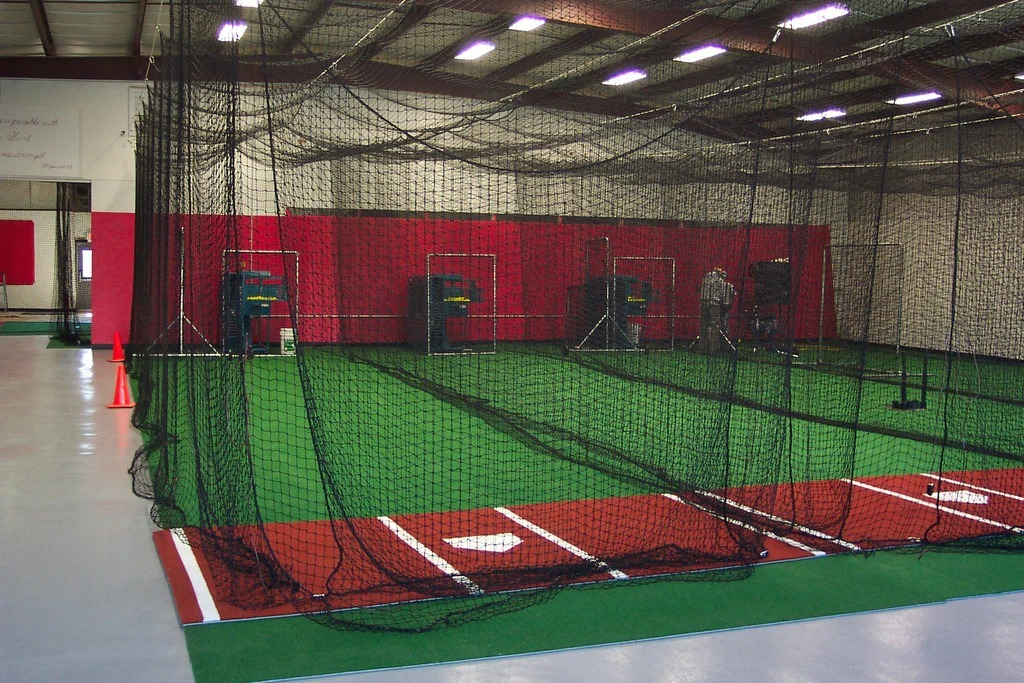
Indoor batting cages in Augusta, GA give a kid something a driveway never will, which is a ball arriving at a consistent speed, over and over, until the swing starts to make sense. The Bat Zone at Putt Putt Fun Center runs cages under a roof, which in a Georgia July is the whole ballgame. Before you load everyone in the car, there are a few things worth knowing.
What Speed Should a Kid Start At?
Slower than you think, and slower than they will admit. A child who has never faced a machine should start at the lowest setting available, take a full round, and move up only after the timing looks clean.
Machines are honest in a way that a parent lobbing tennis balls is not. The ball comes on the same line every time. That consistency is what builds a repeatable swing, and it also means a speed that is too high does not produce a struggling hitter, it produces a kid who stops swinging and starts flinching.
A rough guide by age, adjusted for how much a child has played:
- Ages six to nine: the slowest machine setting, or a coach-pitch cage if one is available
- Ages ten to twelve: mid-range speeds, moving up only when contact is consistent
- Ages thirteen and up: faster settings, once mechanics hold together under pressure
- First-timers of any age: one step below where they say they belong
Watch the first five pitches. If the bat comes off the shoulder late every time, drop the speed. Nobody learns anything from being overmatched.
What Should You Bring?
A helmet is the one thing to check on before you leave the house. Facilities generally provide them, but a kid who owns a helmet that fits properly should wear their own, because a loaner that slides forward on every swing is a distraction at exactly the wrong moment.
Bring a bat if you have one your child likes. A bat that is too heavy is the most common reason a young hitter drags the barrel through the zone, and the fix is almost always going lighter rather than working harder. Batting gloves help with blisters. Closed-toe shoes are non-negotiable, and cleats usually are not allowed indoors.
Water matters more than parents expect. Twenty minutes of swinging is real work, and Augusta in the summer does not care that you are inside.
How Long Should a Session Actually Last?
Twenty to thirty minutes of active swinging is plenty for most kids. Past that, form degrades, the arms get heavy, and the swings that get grooved are the sloppy ones.
Quality beats volume every time. A hundred focused swings with a purpose behind them does more for a young hitter than three hundred tired ones. Break it into rounds. Let them step out, drink water, and talk about what they felt on the last set before they step back in.
That break is also when the actual coaching happens. Standing behind the cage yelling adjustments while a ball is in flight teaches nothing. Wait for the gap.
If you are visiting batting cages in Augusta with more than one kid, rotate them. The one waiting learns by watching, and the one hitting gets a rest without realizing it.
What Are the Safety Rules That Actually Matter?
One hitter in the cage. Everyone else outside the netting, all the way outside, not leaning on it.
Bat swings do not stop where the batter thinks they will, and a sibling standing three feet behind a right-handed hitter is standing in the path of a follow-through. Keep the on-deck kid where staff tells you to keep them. Never retrieve a ball while the machine is live. Never reach through netting for anything.
Teach your child to step out of the box between pitches if they lose focus. That habit transfers straight to game situations, where a hitter who cannot reset gets beaten by the next pitch.
Staff at the Bat Zone can walk you through machine operation, speed settings, and what is provided on site. Ask them. They would much rather answer a question than untangle a problem.
Is It Worth Making a Whole Afternoon of It?
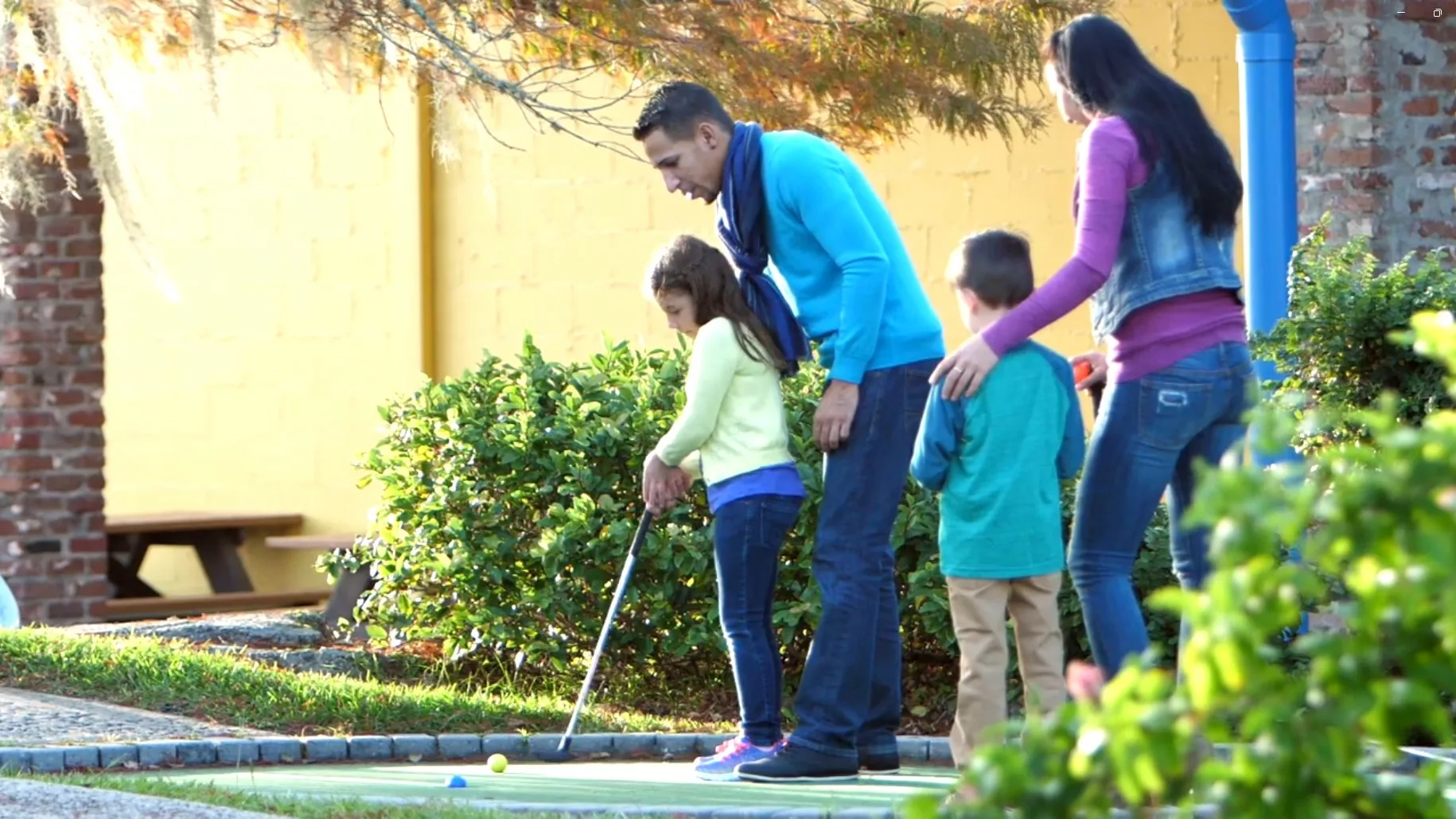
That depends on how far you drove and how many kids are in the car. Putt Putt Fun Center in Augusta puts the batting cages alongside mini golf, laser tag, the Game Zone arcade, and a cafe, which means the kid who wants two hundred swings and the kid who wants none can occupy the same visit without anyone melting down.
Group packages and birthday party options exist for the same reason. A cage session is a great anchor for a team gathering, and hitting is one of the rare activities where a nine year old and a fourteen year old can both have a good time at their own speed.
Check hours before you go, especially on weekends when travel ball schedules empty and refill the place in waves. Weekday afternoons in summer are quieter than most people assume.
Your kid probably just wants to hit something hard and hear it. That is a good enough reason.
See the Bat Zone and everything else at Putt Putt Fun Center before you plan your visit.